Microsoft Partner Marketing
Microsoft Partner Case Study Framework: Write Stories That Convert
A five-part Microsoft partner case study framework: situation, problem, solution, results and executive insight, plus tips to make stories co-sell ready.
By Ranni Tuboro · · 2 min read
Case Studies Are Your Most Underleveraged Sales Asset
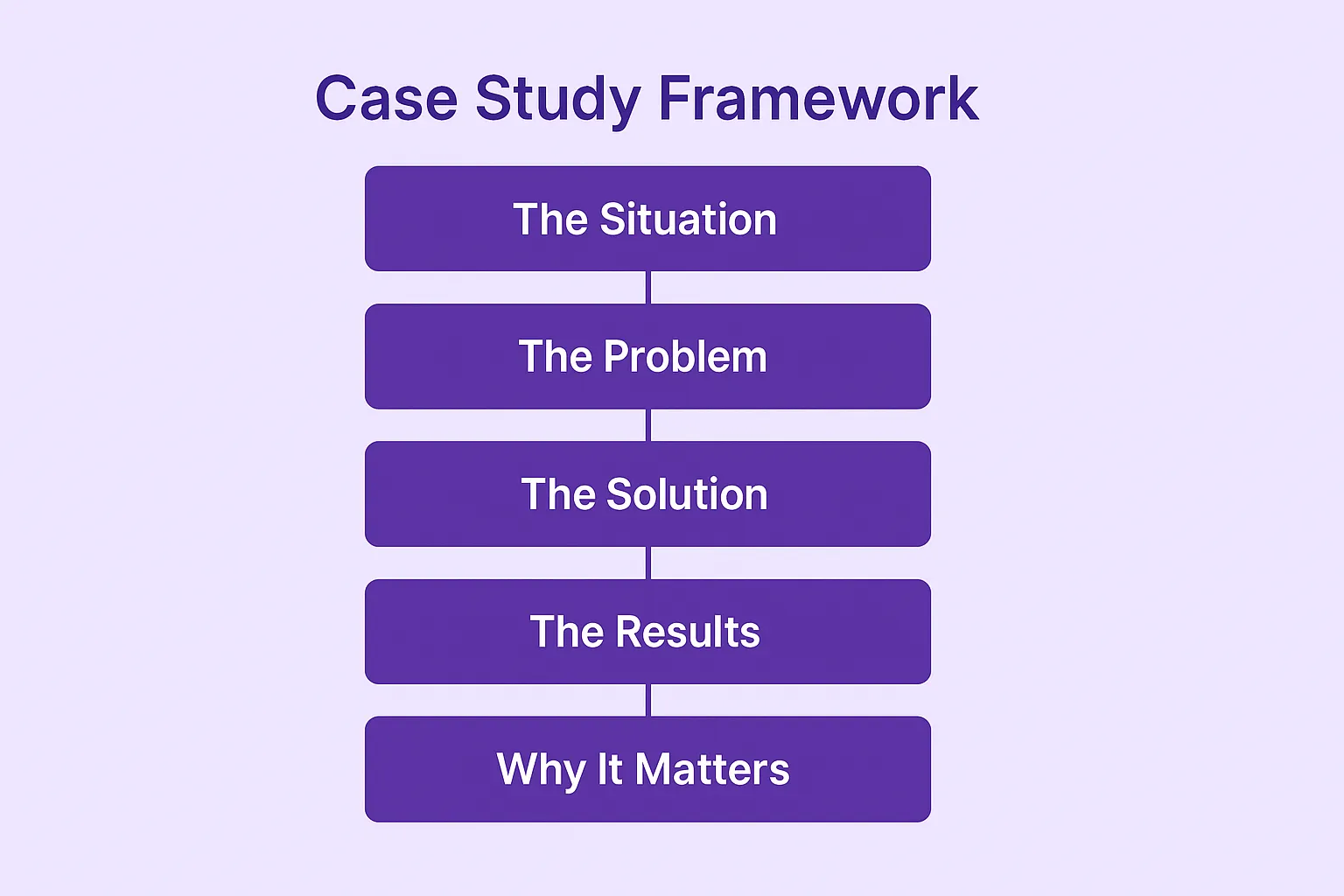
This Microsoft partner case study framework helps B2B technology partners write customer success stories that are co‑sell ready and conversion focused.
For Microsoft Partners, case studies are even more critical because they support:
- Cosell motions
- Marketplace listings
- Seller enablement
- Solution play alignment
- Customer proof requirements
But most case studies read like press releases. Let’s fix that.
The UBE 5 Part Partner Ready Case Study Framework
1. The Situation (Context + Stakes)
Set the scene:
- Who is the customer?
- What industry?
- What challenges threaten their growth, efficiency, security, experience, etc.?
- Why did the problem matter now?
Make the reader feel the urgency.
2. The Problem (Complications & Impact)
Describe the friction points, such as:
- Siloed systems
- Manual processes
- Inaccurate reporting
- Talent constraints
- Legacy tech blocking scale
Quantify the impact if possible.
3. The Solution (Your Approach + Microsoft Tech)
Explain the implementation clearly:
- Azure, Dynamics, M365, AI copilots
- Migration, integration, automation
- Workshops, strategy, design
- Architecture overview
The key is clarity, not complexity.
4. The Results (Outcomes, Metrics, Wins)
Tie outcomes to business value:
- Reduced cost
- Increased sales velocity
- Higher adoption
- Improved security posture
- Faster time-to-market
Use numbers whenever possible — they convert.
5. The “Why It Matters” (Executive Insight)
Add a finishing note that elevates the story:
- What this means for the customer long term
- What it proves about your expertise
- How it aligns to Microsoft priorities
- What similar customers can learn
This is where the case study becomes strategic, not transactional.
Tips for Co-Sell-Ready Case Studies
- Use Microsoft terminology correctly (Azure, M365, Dynamics 365)
- Include a high-level reference architecture
- Add any earned badges or designations
- Link to your Marketplace listing
- Follow brand-safe guidelines for logos & representation
- Keep it short: 1–2 pages max
The UBE Takeaway
Case studies are your most powerful sales tool. When written with clarity, narrative, and measurable outcomes, they convert better than any paid campaign.
About UBE Marketing
UBE Marketing is a B2B marketing agency empowering technology-driven companies and select Microsoft partners with unified brand, digital, and event strategies. Based in Sydney, we serve as an extension of your marketing organization delivering lead generation, content development, partner marketing, and end‑to‑end event management built on deep Microsoft ecosystem expertise.
Frequently asked questions
How should a Microsoft partner structure a customer case study?
Use five parts. Start with the situation: who the customer is, their industry and why the problem mattered now. Then describe the problem and its impact, explain your solution and the Microsoft technology used, show measurable results, and finish with an executive insight on what the outcome means long term and how it aligns to Microsoft priorities.
What makes a Microsoft partner case study co-sell ready?
A co-sell ready case study uses Microsoft product names correctly, such as Azure, Microsoft 365 and Dynamics 365, includes a high-level reference architecture, lists any badges or designations you have earned, links to your Marketplace listing and follows brand-safe guidelines for customer logos and representation. It should also stay short, ideally one to two pages.
What results should a technology case study include?
Results should be tied to business value rather than technical milestones. Examples include reduced cost, increased sales velocity, higher adoption, improved security posture and faster time to market. Quantify outcomes with numbers wherever you can, because specific metrics make the story more credible to buyers and to Microsoft sellers who may share it.
Why do Microsoft partners need case studies?
For Microsoft partners, case studies do more than support sales conversations. They feed co-sell motions, strengthen Marketplace listings, help enable Microsoft and partner sellers, show alignment with solution plays and meet customer proof requirements. A well-written case study gives all of these channels evidence that your solution delivers real outcomes.
Need a hand?
Microsoft Partner Marketing
Co-sell, Marketplace, MDF campaigns and awards for Microsoft partners.
How we help →