Marketing Automation
The Future of Marketing Automation: Microsoft’s AI-Driven 2026 Roadmap Insights
What Microsoft's 2026 roadmap means for marketing automation: AI agents in Dynamics 365, Azure security changes, and the new skills marketers will need.
By Alvin Paronda · · 2 min read
Marketing automation is evolving rapidly, and Microsoft’s 2026 roadmap reveals a clear direction: artificial intelligence will become the heart of how businesses engage customers and manage campaigns. This shift promises to transform marketing strategies by making them more personalised, efficient, and secure. Understanding these changes is crucial for marketers aiming to stay ahead in a competitive landscape.
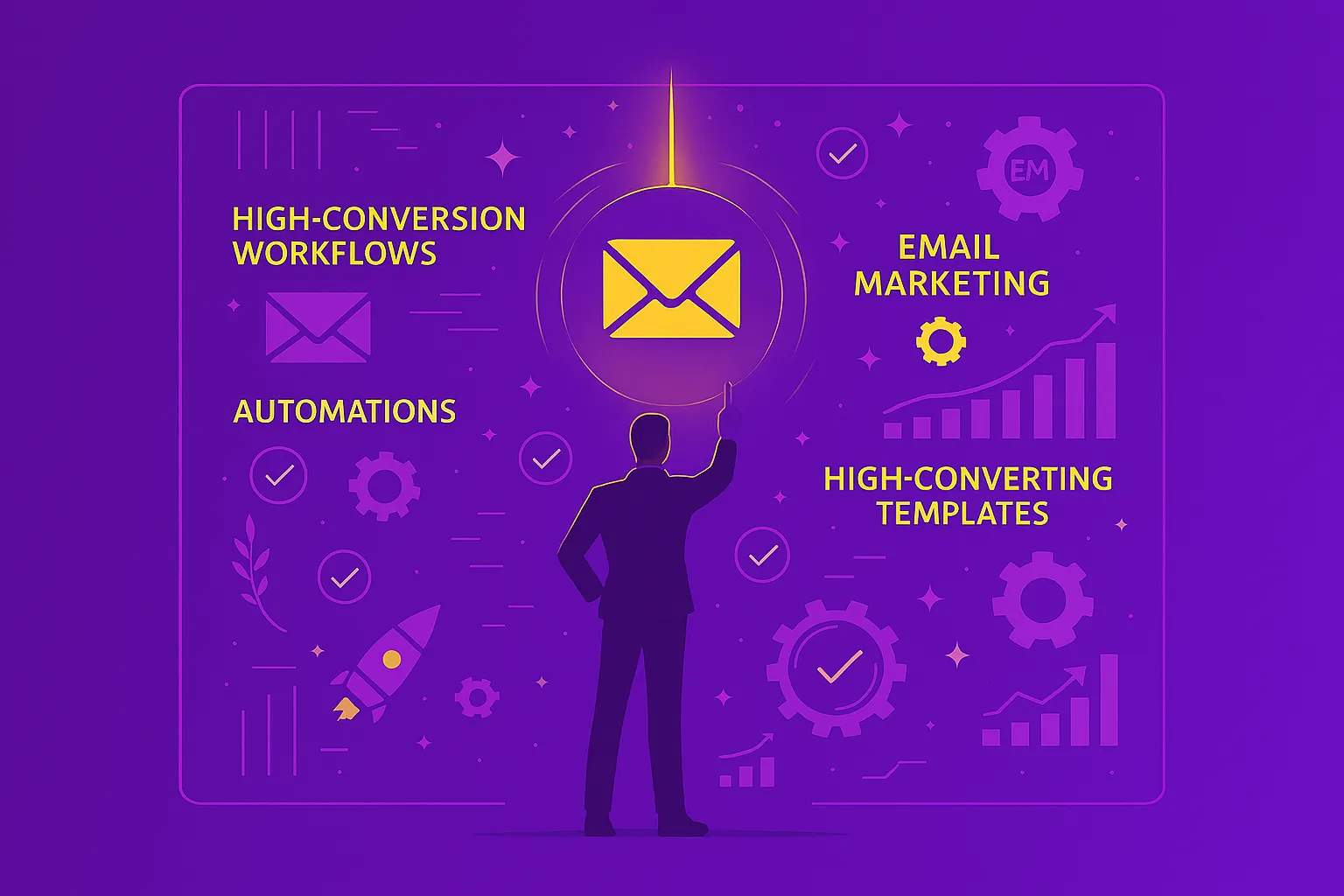
AI Agents at the Core of Marketing Automation
Microsoft plans to integrate AI agents deeply into its marketing tools, particularly within Dynamics 365. These AI agents will handle complex tasks such as customer segmentation, content creation, and campaign optimisation with minimal human input. This means marketers can focus more on strategy and creativity while AI manages routine and data-heavy processes.
For example, AI agents will analyse customer behaviour in real time, adjusting email campaigns or social media outreach dynamically to improve engagement rates. This level of automation reduces manual workload and increases the precision of marketing efforts.
Expansion of Dynamics 365 Capabilities
The roadmap highlights significant enhancements to Dynamics 365, Microsoft’s flagship CRM and marketing platform. New AI-powered features will allow businesses to:
- Predict customer needs based on historical data and trends
- Automate personalised content delivery across multiple channels
- Integrate seamlessly with other Microsoft products like Azure and Power Platform for a unified marketing ecosystem
These improvements will help marketers deliver more relevant messages at the right time, increasing conversion rates and customer loyalty.
Strengthening Security with Azure Overhauls
Marketing automation relies heavily on data, making security a top priority. Microsoft’s roadmap includes major overhauls to Azure security, ensuring that customer data is protected while enabling AI-driven marketing processes.
Enhanced security features will help businesses comply with privacy regulations and protect against cyber threats. This is especially important as AI systems access and process vast amounts of personal data to personalise marketing campaigns.
By combining AI innovation with robust security, Microsoft aims to build trust between businesses and their customers, which is essential for long-term success.
Practical Implications for Marketers
The integration of AI into marketing automation tools means marketers will need to adapt their skills and workflows. Here are some practical ways these changes will affect marketing teams:
- Data literacy becomes essential: Marketers must understand how AI interprets data to make informed decisions.
- Collaboration with IT teams will increase: Implementing AI-driven tools requires coordination with technical experts, especially around security and integration.
- Focus shifts to creativity and strategy: With AI handling routine tasks, marketers can invest more time in crafting compelling campaigns and customer experiences.
Businesses that embrace these changes early will gain a competitive edge by delivering more personalised and timely marketing messages.
Looking Ahead
Microsoft’s 2026 roadmap clearly shows that AI will no longer be an add-on but the foundation of marketing automation. This shift will enable businesses to connect with customers more effectively, reduce manual effort, and maintain strong data security.
Marketers should prepare by building skills in AI tools, collaborating closely with IT, and rethinking their strategies to leverage AI’s capabilities fully. The future of marketing automation is here, and it centres on intelligent, secure, and adaptive AI systems.
For more detailed insights, read the full article on Microsoft’s roadmap:
Microsoft 2026 Roadmap: AI Agents, Azure Security Overhauls, and Dynamics 365 Expansion
Frequently asked questions
What does Microsoft's 2026 roadmap mean for marketing automation?
The roadmap signals that AI will be the foundation of marketing automation in Microsoft's tools rather than an add-on. AI agents built into Dynamics 365 are expected to take on segmentation, content creation and campaign optimisation, while new features aim to predict customer needs and automate personalised content across channels, alongside stronger Azure security.
What skills will marketers need as AI agents take over routine tasks?
Data literacy becomes essential, because marketers need to understand how AI interprets data to make good decisions. Marketers will also need to collaborate more with IT teams on security and integration, and to build hands-on skills with AI tools, while spending more of their time on creative campaigns, strategy and customer experience.
Why does data security matter for AI-driven marketing automation?
AI-driven marketing relies on processing large amounts of personal data to personalise campaigns. Strong security helps businesses comply with privacy regulations, protect against cyber threats and maintain customer trust. That is why the roadmap pairs AI innovation in Dynamics 365 with overhauls to Azure security, so automation can scale without putting customer data at risk.
Need a hand?
Demand Generation
Campaigns, LinkedIn advertising and nurture that build pipeline.
How we help →